.png)
EU-China Hub
News •Interviews •Analysis
EU-China Interviews
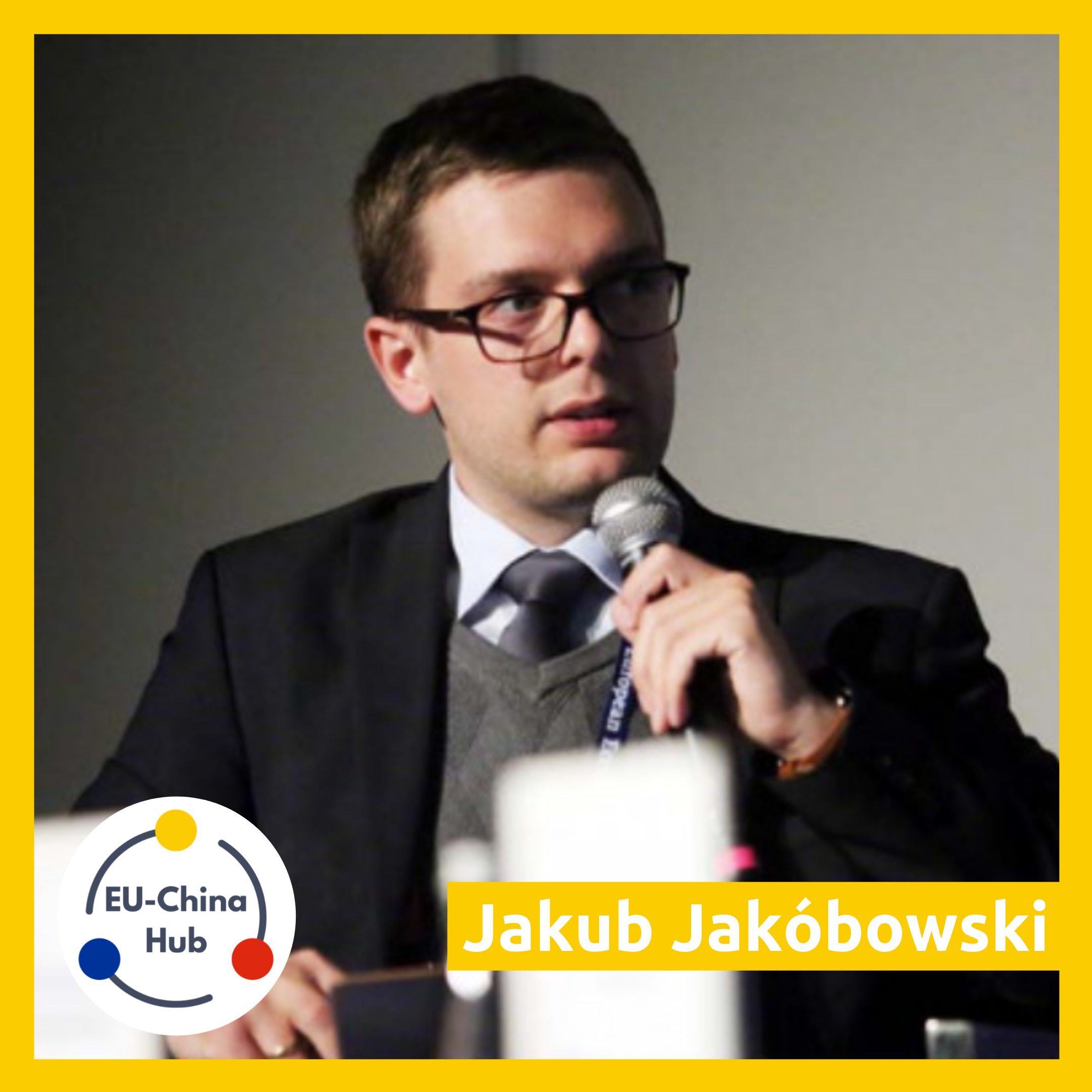
In today’s episode, we discuss ways in which geopolitics increasingly affects global connectivity, how China’s connectivity proposal compares to that of the EU, and what should the EU do in the context of connectivity becoming a battleground for Sino-American rivalry. It is through this lens that we will take a look at the Central and Eastern Europe (including the EU’s Eastern and Southern Neighbourhood) to see how those dynamics play out in practice.
Jakub Jakóbowski is the Coordinator of the Connectivity in Eurasia Project, as well as a Senior Fellow at the China Programme at the Centre for Eastern Studies, a public think-tank based in Warsaw. He specializes in China's international political economy, as well as CEE-China and EU-China relations. We highly recommend his report 'The Silk Railroad. The EU-China rail connections: background, actors, interests' as well as his publications on the China-CEE 17+1 format.
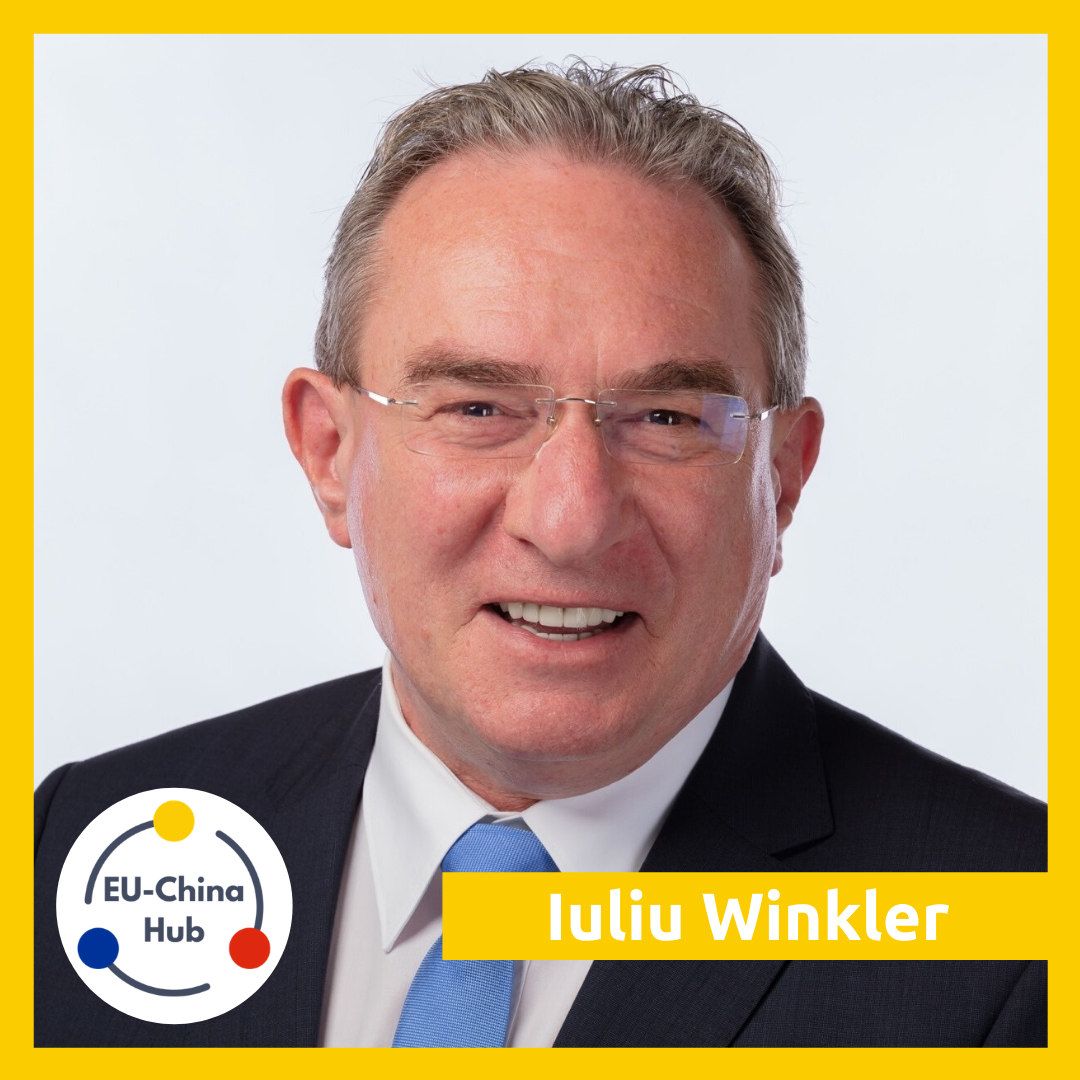
In today’s episode, we discuss EU’s diversification of supply chains, the idea of change-through-trade and the new buzzword that you can hear all over Brussels - the open strategic autonomy. All this sheds some light on topics that can we expect to come up in EU discussions on China in the coming months.
Iuliu Winkler is an MEP from EPP Group, the Vice-Chair of the European Parliament’s Committee on International Trade, within which he is the rapporteur on China, and also a member of the EP’s delegation for relations with the PRC. Prior to becoming an MEP, Mr. Winkler was the Communications Minister as well as the Minister-Delegate for Trade (Head of Foreign Trade Department) in Romania.
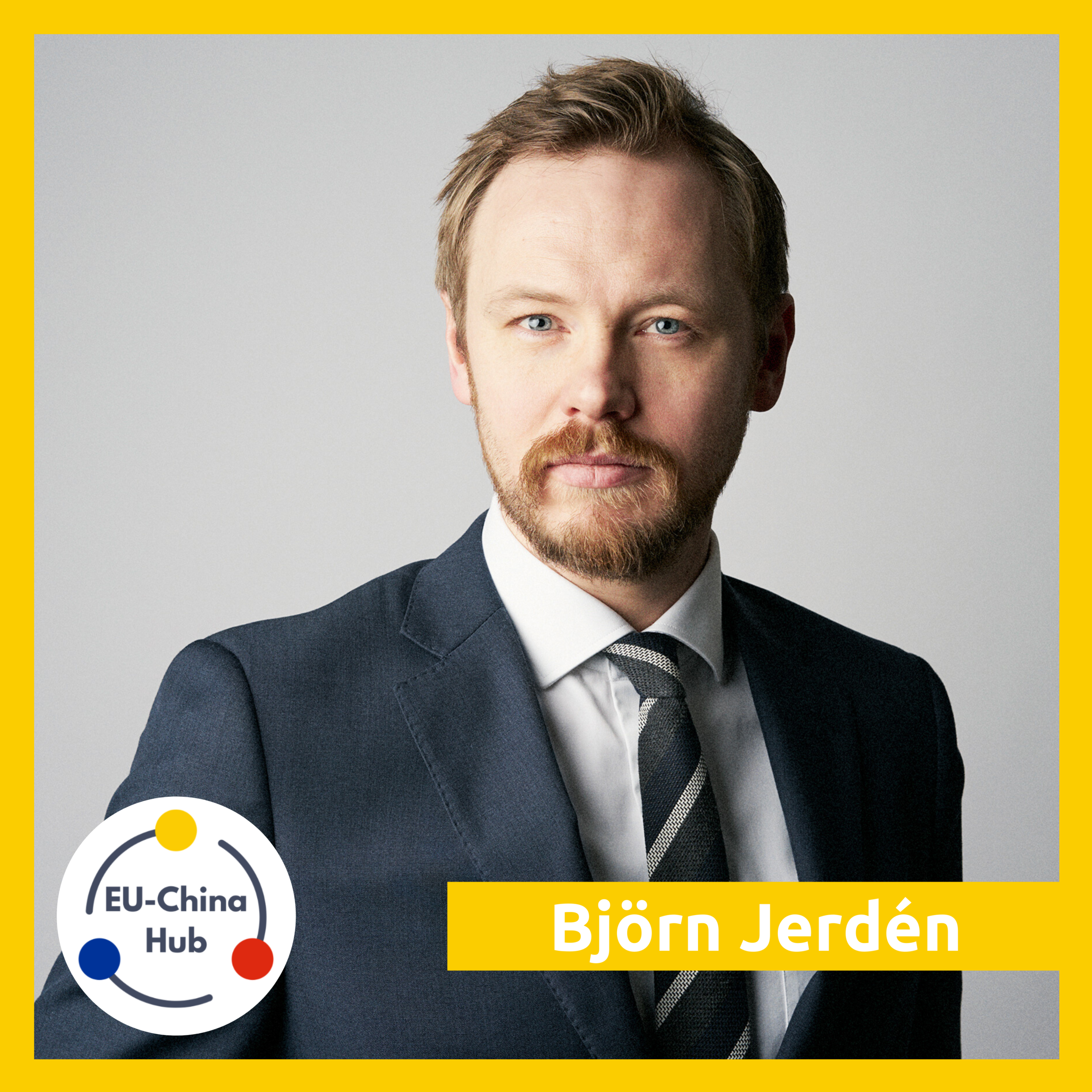
In today’s episode, we take a look at relations between Sweden and China, which say a lot about the challenge of balancing values and interests in China policy. We discuss a number of topics, such as the detainment of the Swedish citizen Gui Minhai, Sweden’s 2019 China strategy, and the costs of political fallout with China. All of this in order to draw lessons for the EU and other member states of the block on how to handle systemic rivalry with China.
Björn Jerdén is the Head of Asia Program at the Swedish Institute of International Affairs, where he focuses his research on China and frequently comments on Sino-Swedish relations. He has been a visiting fellow at National Chengchi University, National Taiwan University, and Harvard University. We recommend that you read his recent publications: “Sweden: Not quite friends in need with China amid the COVID-19 crisis” and “China’s propaganda campaign in Sweden, 2018–2019”.
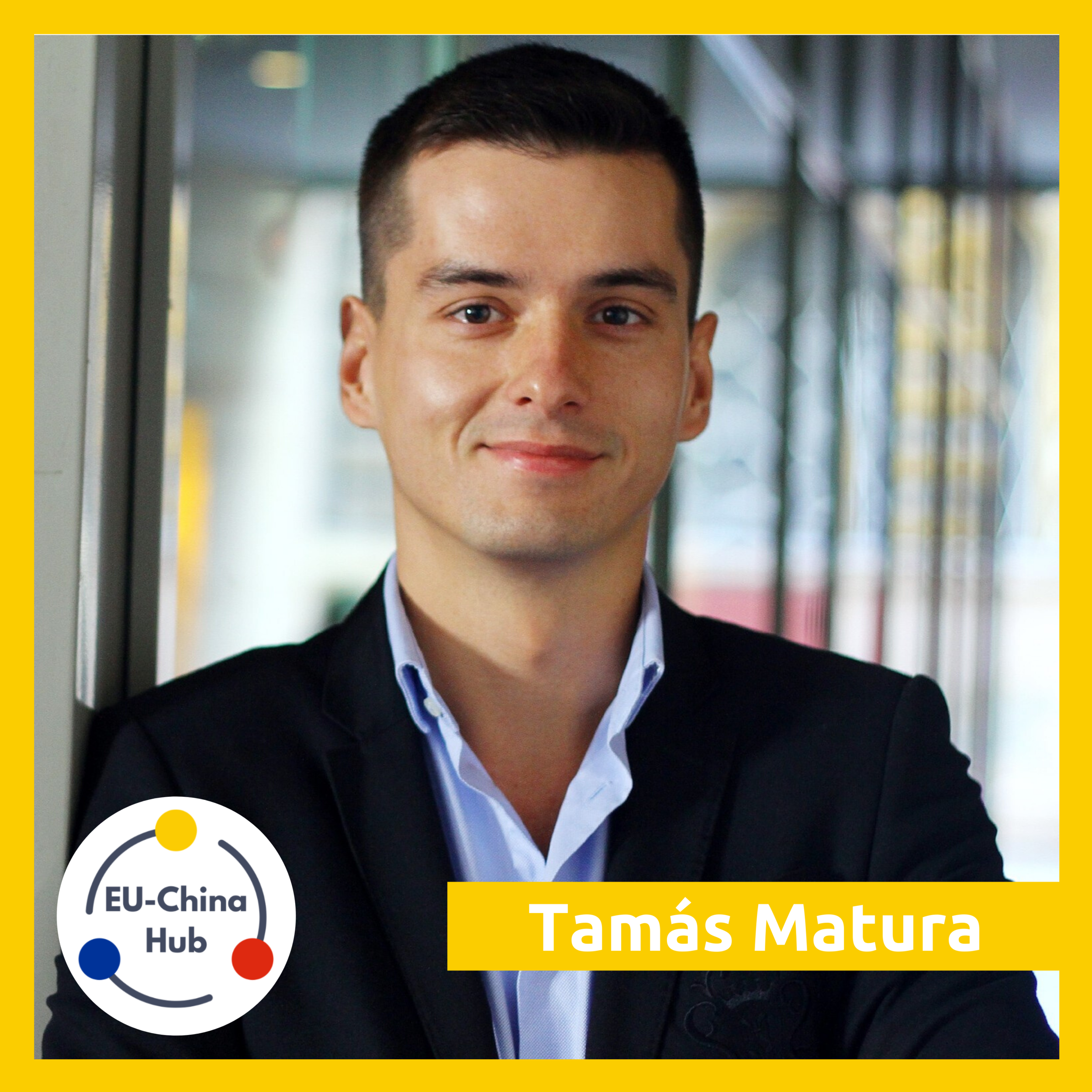
In this episode, we take a look at Hungary’s China policy and some of the key projects of Sino-Hungarian relations, including the controversial Belgrade-Budapest railway. But we also tackle some wider questions, such as whether Hungary’s China policy is driven primarily by national interest or the personal vision of its prime minister.
Tamás Matura is the Founder of the Central and Eastern European Center for Asian Studies, a permanent Assistant Professor of Corvinus University of Budapest, and a founding member of the European Think Tank Network on China. He has worked as a research fellow of the Hungarian Institute of International Affairs and served as an adviser on China to the Minister of National Economy, as an editor of the China Strategy of Hungary, and as an author of the BRICS Strategy of Hungary.

In this episode, we look at the business environment in China and the current standing of European businesses in the Chinese market. We will cover the Business Confidence Survey recently released by the European Union Chamber of Commerce in China. But we will go well beyond that, so stay tuned to hear about the impact of COVID-19 on European businesses in China, progress on the Comprehensive Agreement on Investments, and what we can expect from the economic policies that came out of the Two Sessions. We will discuss this with a guest who is in the middle of it all.
Charlotte Roule is Vice President of the European Union Chamber of Commerce in China, a member of the Jinan Mayor’s International Economic Consultation Committee, and an external trade advisor for the French Government.
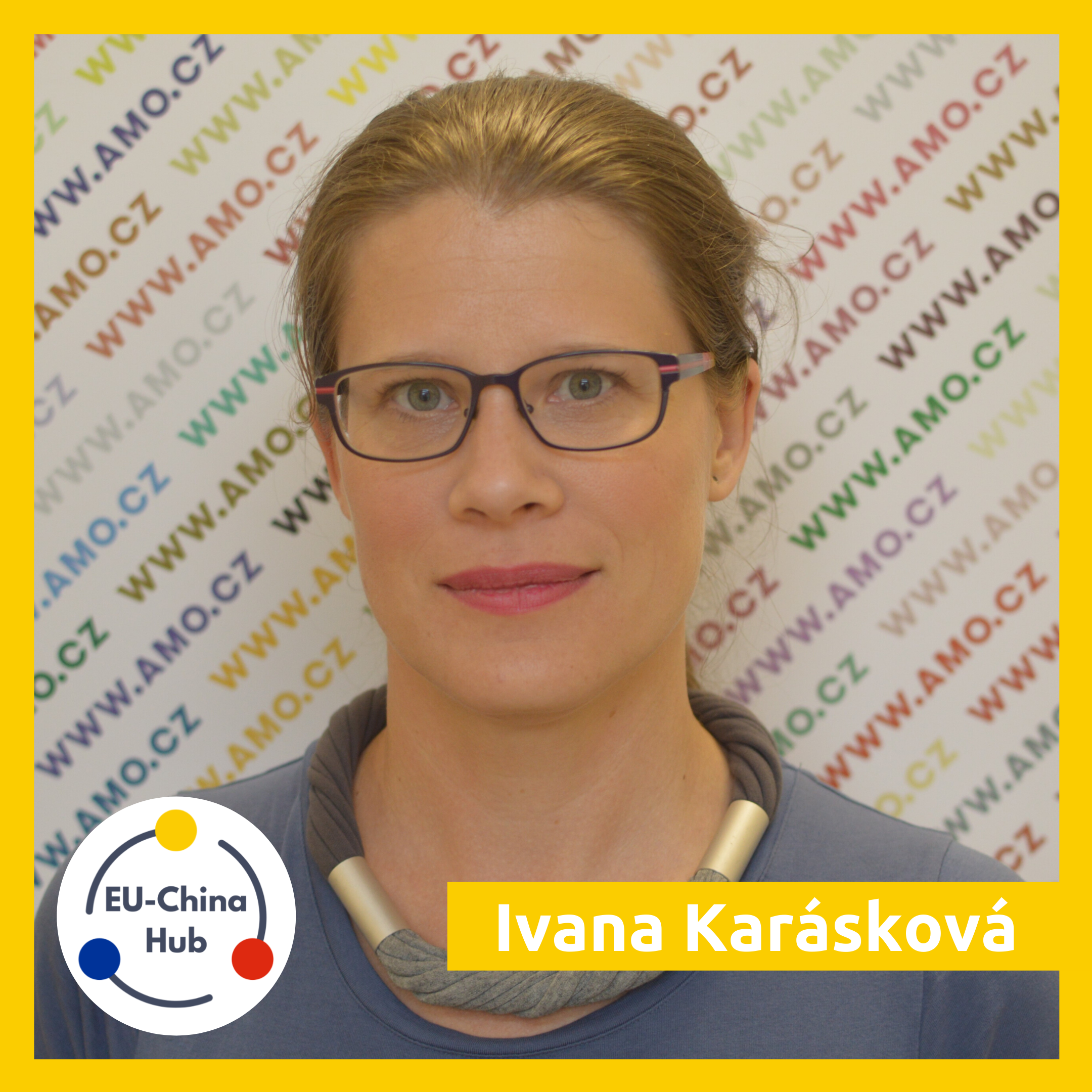
In today’s episode, we take a look at the 17+1 China-Central and Eastern Europe cooperation, evaluate its political and economic substance, and investigate how it ties into wider EU-China relations.
Ivana Karásková is a China Research Fellow and a Project Coordinator at the Prague-based Association for International Affairs (AMO) and the coordinator of the China Observers in Central and Eastern Europe (CHOICE), a collaborative international platform bringing together China experts from 17 CEE countries.
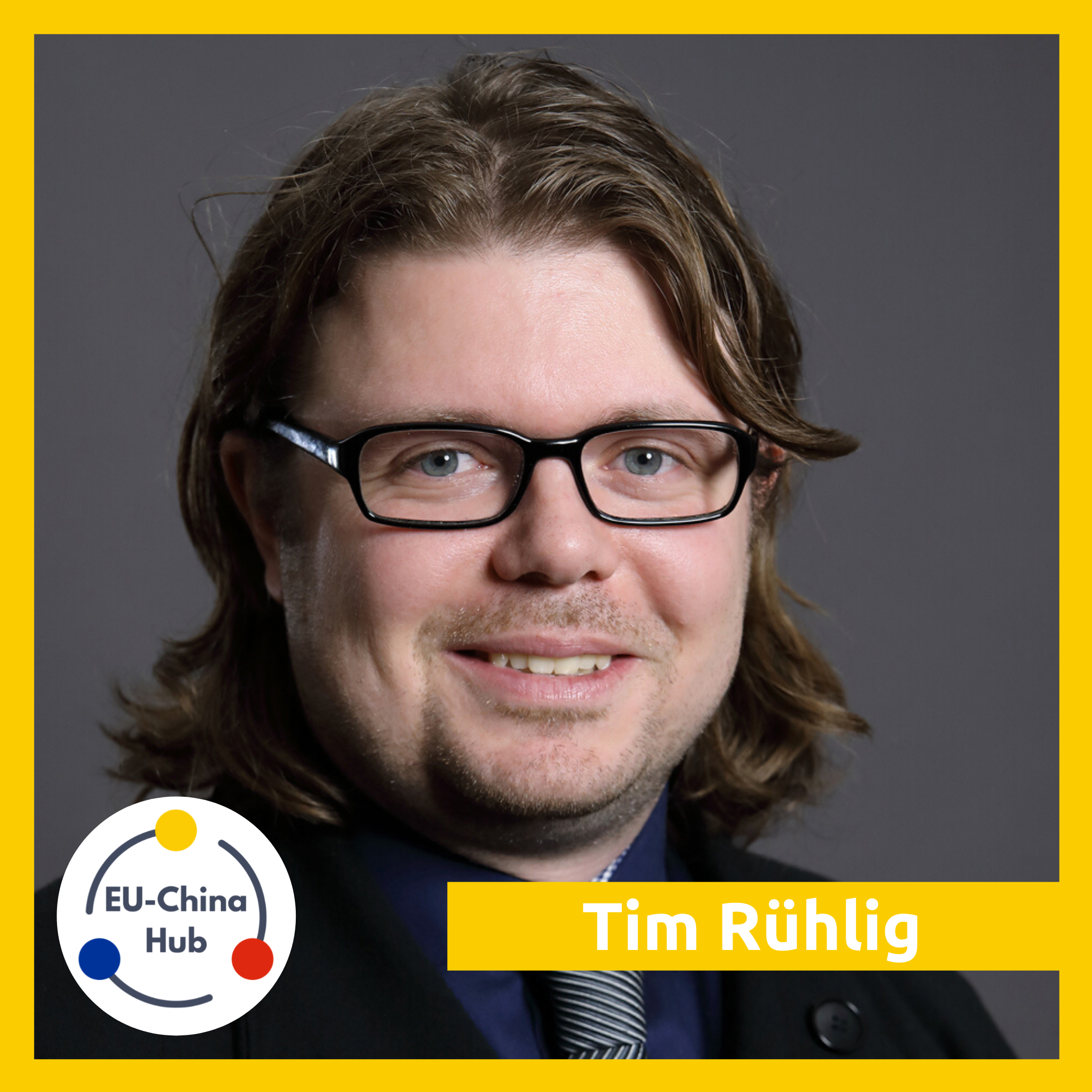
In today’s episode, we discuss the growing role of China in setting global technical standards and clear up this vital, highly technical topic.
Our guest is a Research Fellow at the Swedish Institute of International Affairs, where he focuses on China’s industrial and economic policies, and their impact on Europe - in this context, he also researches technical standardisation. He is a member of the China Task Force of the European standardisation organisations CEN and CENELEC, and provides expertise on technical standards to many organisations, including the European Commission.
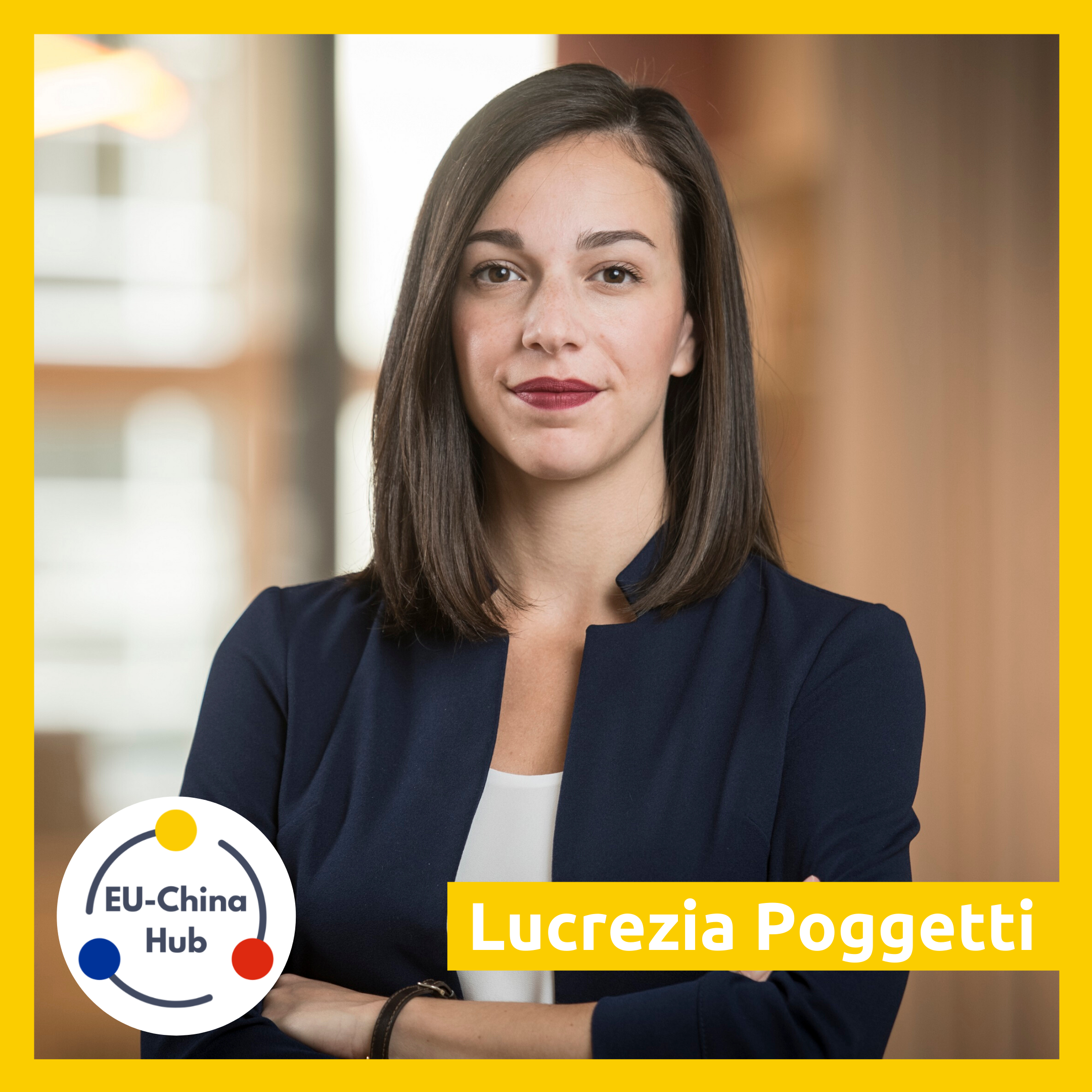
In today’s episode, we investigate the complexities of Sino-Italian relations, which over the last few weeks—like a focusing lens—brought together many interesting topics: the outbreak of COVID-19, China’s disinformation campaigns, Euroscepticism, and wider discussions on EU solidarity.
Our guest is an Analyst at the Berlin-based MERICS, a leading European think tank focused on China. She researches EU-China relations and China’s public diplomacy strategies in Europe, and also has experience working on China’s domestic policies at the EU Delegation to the PRC. Being Italian, she frequently comments on Sino-Italian relations and can help us shed light on the rapidly changing dynamics of Italian-Chinese interactions.

In today’s episode, we take a look at the recent Sino-Czech fallout, which highlights some very important dynamics happening between China and countries of Central and Eastern Europe. The fascinating Czech case has a lot to teach us about the agency and dynamics of local politicians and personal interests.
Our guest is the programme director at an independent think tank, the Central European Institute of Asian Studies, an assistant professor at Mendel University in Brno, and a Key Researcher at Palacky University in Olomouc, where he develops an EU-funded project, Sinophone Borderlands.
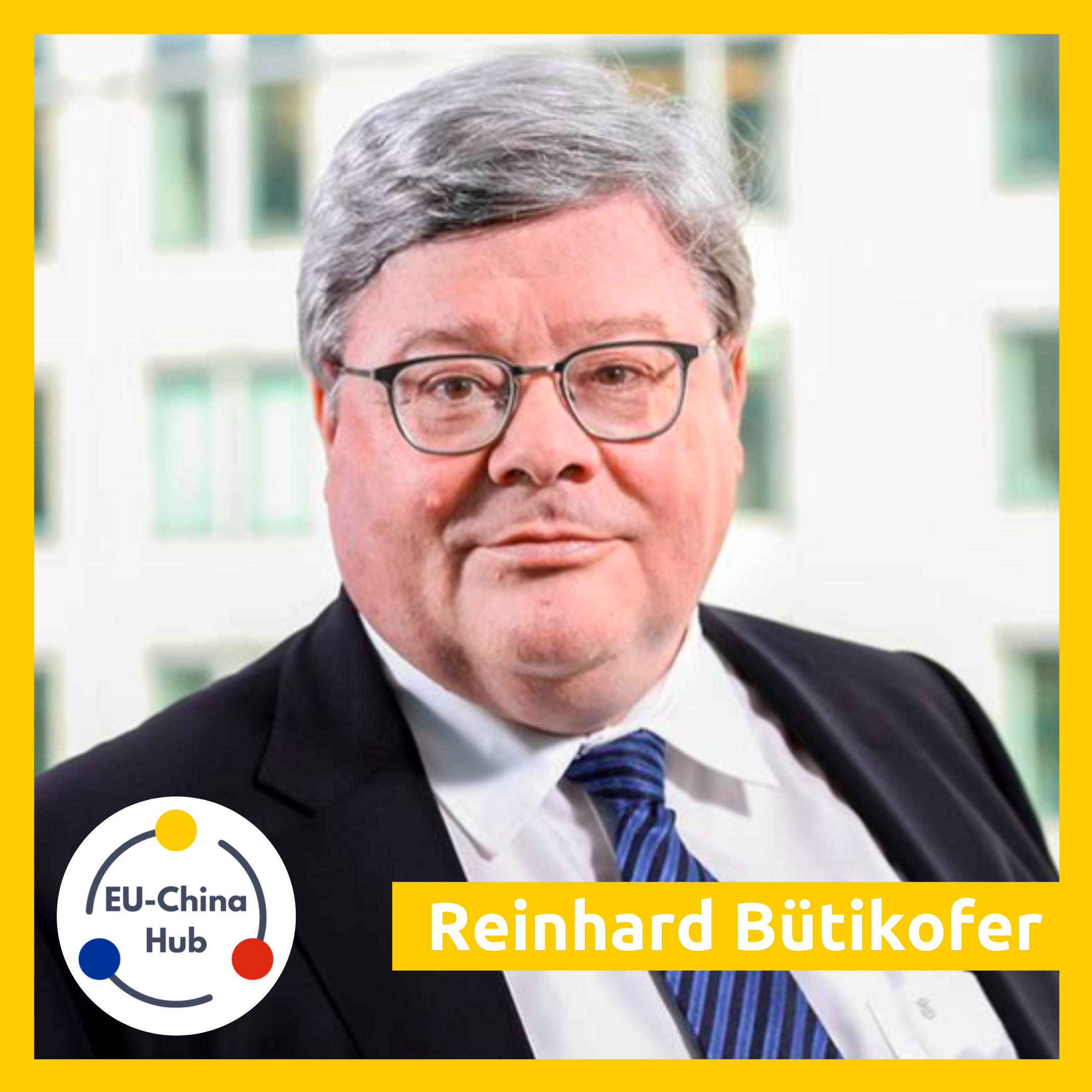
In today’s episode, we talk about building European unity towards China. This topic often returns in discussions on EU-China relations, as unity seems as necessary as it is idealistic. But what is it exactly and how can it be achieved?
Our guest is a veteran China-watcher and an MEP, who has served at the European Parliament for over a decade, representing the German Green Party. He is the Chair of the European Parliament’s Delegation for Relations with the People’s Republic of China and a Member of the European Parliament’s Delegation to the United States, but he wears many more hats, including that of a member of the Sino-German Dialogue Forum.
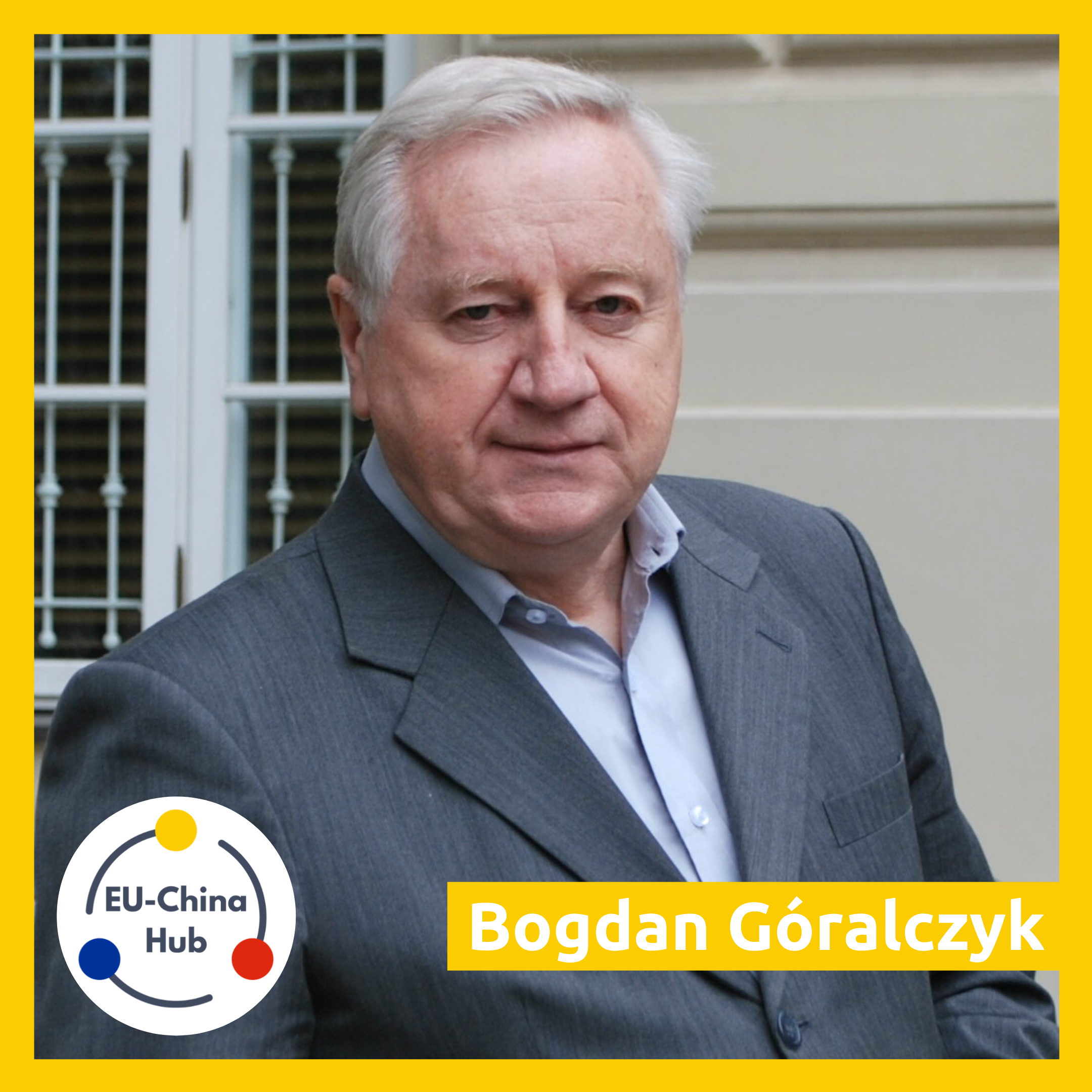
In today’s episode, we look at Central Europe—in particular, Poland and Hungary—to explore EU-China relations in this region. We will take a wider geostrategic perspective, but also explain perspectives of these two Central European actors.
Our guest is the Director of the Center for Europe at the University of Warsaw and a lifelong diplomat, who served as an Ambassador on multiple posts in Asia and as a chief of the policy cabinet for the Polish Minister of Foreign Affairs. As a Polish sinologist who calls Hungary his second home and researches European integration, he has a unique insight into Polish and Hungarian perspectives on EU-China relations and wider global power shifts.

We dive into the topic of Brexit and its impact on EU-China relations. We will discuss the role that the United Kingdom played within the European debate on China and hear some predictions about post-Brexit dynamics.
Our guest today is John Farnell, a former European Commission’s Director responsible for international affairs at DG Enterprise (now DG GROW) and a Senior Advisor at the EU-Asia Centre think tank in Brussels. In his work, he co-shaped EU-China economic relations, which he is continuing to study as a Research Associate at the University of Oxford China Centre.
EU-China Weekly Briefing
The Biden Presidency and EU-US-China Relations
China Suspends the Biggest IPO in History
EP’s International Trade Committee to Discuss OSA and Propose China Task Force
Trilogue Reaches a Deal on the Rule of Law - Will it Work?
China Leads Vaccine Efforts in the Developing World
The Fifth Plenum Sets Development Priorities of the 14th Five-Year Plan
Update on EU Budget and Recovery Fund Negotiations
Report on Brussels Bubble’s Thoughts on EU’s Future After the Pandemic
Brussels in Crosshairs For Using Hikvision
Glimpses of Germany's Post-Merkel Stance on China
China Set to Be the Only Major Economy to Note Growth in 2020
Commission Proposes the EU Global Human Rights Sanctions Regime
EU and US Launch Dialogue on China
Borrell Talks China and Climate
Sweden Bans Huawei and ZTE Not Mincing Its Words
Of Sanctions and Export Controls - EU Gets Tougher on China
MEPs Take Huawei Head On
The Second Wave Disrupts EU Leaders’ Meetings - Including on China
Xi’s Southern Tour - Opening Up or Self-Reliance?
Romania Chooses US Over China on Major Energy Project: A CEE Case Study
Negative Opinions on China Skyrocket in Europe
Germany-led Coalition of 39 UN Members Criticize China Over Human Rights - China Strikes Back
EU’s FDI Screening Mechanism Becomes Operational - How Does it Work?
The EU Moves to Counter China’s Influence in the Balkans
Bad Week for Huawei in Europe - Brussels 5G Won’t Run on Huawei
(Open) Strategic Autonomy - EU-China Economic Angle Explained
Special European Council Summit Reaffirms EU’s Strategic Outlook on China
Germany Closer to Restricting Huawei in its Domestic 5G Networks
Pompeo Tours Europe Again Seeking Convergence on China
CCP’s Fifth Plenum on the Horizon - What To Expect From the Next Five Year Plan?
Xi Pledges Carbon Neutrality by 2060
Ambassador Zhang Ming’s Hearing at the European Parliament - Overview
EU in China, China in EU - A Tale of Reports by Two Chambers of Commerce
Expanded Crackdown in Tibet - New Data Emerge
The EU, US, Huawei, and China Intersect in Serbia
Von der Leyen’s First State of the Union - Overview
Beijing Defends Its Actions in Xinjiang, EU Considers Stepping Up Creation of European Magnitsky Act
Pompeo Moves to Solidify EU-US Cooperation on China
EU-Taiwan Investment Forum Comes at a Particular Time
Zhenhua Scandal - China’s ‘Cambridge Analytica’ or Overblown Story?
Systemic Rivalry Becomes More Apparent Before the Video Summit
EU-China Video Conference - All You Need to Know
EU and China Hold First-Ever High-Level Digital Dialogue
His Way - Borrell Defines “Sinatra Doctrine”
European Court of Auditors’ Report on Chinese FDI into EU Highlights EU’s Mistakes
Wang Yi Wraps up His European Tour - Final Stop and Sum Up
Reactions to Vystrčil’s Taiwan Visit - Threats, Support, and Criticism
Yang Jiechi Visits Greece and Spain - Mission Unclear
Borrell’s Geopolitical Vision and China’s Geopolitical Practice
New Campaigns Target Minorities and Signal Another Party Purge
Wang Yi Tours Europe with a Damage Control Mission
The Latest on Little Leipzig
The EU and China Take Opposing Stances on Belarus
Czech Senate President Visits Taiwan
New Insights into Internal CCP Struggles Come to Light
Pompeo’s NATO-China Quid Pro Quo
US Plans to Ban TikTok, the EU Isn’t Interested
Huawei Skepticism Signs Visible Across Europe
Little Leipzig
Beidaihe - Is it on?
EU-China High-Level Trade and Economic Dialogue - Make it or Break it for CAI 2020
EU Releases Response Package on Hong Kong
Cybersecurity, Back in the Spotlight - EU’s First-Ever Cyber-Sanctions
China’s Diplomatic Push - Beijing Seeks to Prevent US-led Containment
Estonia Rejects China-backed Infrastructure Plan
EU’s Update on 5G Toolbox Implementation and ‘Huawei Measures’
Towards a Coordinated EU Response on Hong Kong
Pompeo Looks For Friends To Get Hawkish on China
China Responds to Pompeo and Calls Germany
European Council’s Consensus on Recovery Package and Way Forward
UK Bans Huawei Starting Next Year - Impact on EU
The Response on Hong Kong Shows Challenge of EU Foreign Policy Building
China’s Economy Is Expected to Grow, but Experts Question Official Data
Closing the Ranks - Xi’s Vision
European Council in Fierce Negotiations over Recovery Instrument
Hong Kong - Political Assylum Challenge
Huawei Developments in EU’s Three Biggest Telecom Markets
The EU-China Diverge - Centralization and Open Strategic Autonomy
Germany’s China Policy Reexamined - Merkel, Critics, Dependency
A Compromise Proposal for EU’s Recovery Fund and MFF
Hong Kong National Security Law Enters Force
EU’s Response on Hong Kong
Maas and Borrell on EU's Future Strategy
European Parliament’s Briefing on EU-China Relations - Overview
Privacy Challenge - Huawei, Bytedance, and GDPR
EU-US Bilateral Dialogue on China is a Go
Huawei Faces Increasingly Bumpy Road Ahead
EU Calls Out China on Disinformation, But Many Questions Remain
Changed Worldviews of EU Citizens after COVID19 - ECFR Study
Germany About to Start Its EU Presidency - Goals Ahead
EU-China Summit - All You Need to Know
EU’s Rhetoric on Hong Kong Toughens Ahead of EU-China Summit
EU Fortifies the Common Market Tackling Foreign State Subsidies
No Progress on MFF and Recovery Package
EU-China Strategic Dialogue and the Emergence of ‘Sinatra Doctrine’
Human Rights and Competition - the Parliament and the Commission Tackle Contentious Points
EU Moves to Tackle Digital Disinformation Mentioning China
EU Chamber of Commerce in China - Business Confidence Survey 2020
Amidst Internal Troubles, NATO Acknowledges China Challenge
Leipzig Postponed - What Does This Mean?
The EU Moves to Further Scrutinise State-aided Takeovers
The Inter-Parliamentary Alliance on China (IPAC) Gets Launched
The UK’s Plans on Hong Kong and Post-Brexit Global Britain
The Politics of Global Health Governance
The World Reacts to Hong Kong National Security Law
Geopolitical Perspectives from Beijing and Brussels - Important Speeches by Top Diplomats Analysed
Priorities of the Upcoming German Presidency of the Council Revisited
EU’s Recovery Plan and New Budget - Roadmap Explained
Pressure Mounts on Huawei Globally - Survival is the Key Word
Two Sessions 2020 - China’s Economic Way Forward
Two Sessions 2020 - Breaking One Country, Two Systems, and Changing Rhetoric on Taiwan
World Health Assembly - From China’s Worst Nightmare, to a Dream Come True
France and Germany Propose a Recovery Fund
China Discovers New Clusters of COVID-19 as Europe Reopens
EU’s Neighbour Rethinks its Post-Brexit China Policy
EEAS Controversy Again - EU ambassadors’ OpEd is Censored in China Daily
China in the COVID World - Beijing’s Strategic Outlook
EU-China Audit of 2019 Goals - Report by Rasmussen Global
Chinese Case in the EU-Western Balkans Summit
China-Europe Railways get a Boost Amid the Pandemic
EEAS Report - Diplomacy as Usual or Power Games?
Investigating COVID-19 - International Consensus, International Divides
COVID-19 and Europe-China Relations - 19 National Case Studies
Calling Their Bluff? China’s Economic Leverage Examined
Two Sessions Date Announced - Is China Back?
Pragmatic Discontent and EEAS Scandal - EU’s Response to China’s Disinformation
Your Friendly Neighborhood Borrell
Repatriation or Diversification - How Much Globalisation Will the EU Give Up?
Report by the Alliance for Securing Democracy, on Chinese Political Interference in Democracies
From Digital Payments to Digital Currency
Chinese Economy Shrinks for the First Time since Data Have Been Recorded
China Changes Charm Offensive to Offensive Charm
EU Reassesses its Relationship with China
Unhealthy Delays of the Past, Silk Road of the Future? - Ugly Truths about the Health Crisis
The Light at the End of the Roadmap - Preparations to Lift Lockdowns
Chinese FDI in Europe is Dwindling, but COVID-19 Could Reverse That
Toying with the Numbers? China’s Data on COVID-19 Questioned
Status Check on the 17+1 - Report by CHOICE
EU Bonding at Last, but Without the Bonds
When in Deep Water, Liberalize - China’s New Reforms
EU-China Monthly Report